
The Things That Consume Us
2026 - Ongoing
An ongoing multidisciplinary body of work exploring what consumes us, what we consume, what we make ourselves consumable for, and what happens when we begin to question what we have absorbed.
Beginning with poetry written across different periods of my life, the work moves through constructed photography, performance, sound, movement and moving image. It looks at consumption as both an intimate and political act: how love, family, race, colonialism, desire, grief, shame, trauma, work, beauty enter the body; how we learn to make ourselves desirable, palatable or useful; and what we might choose to keep, reject or transform.
The work often moves between beauty and discomfort, humour and violence, instinct and control. Highly constructed visual worlds sit alongside writing that arrives much more instinctively, creating a tension between the rawness of an experience and the way we later choose to represent it.
At its centre is a question of agency: once something has entered us, what can we do with it?
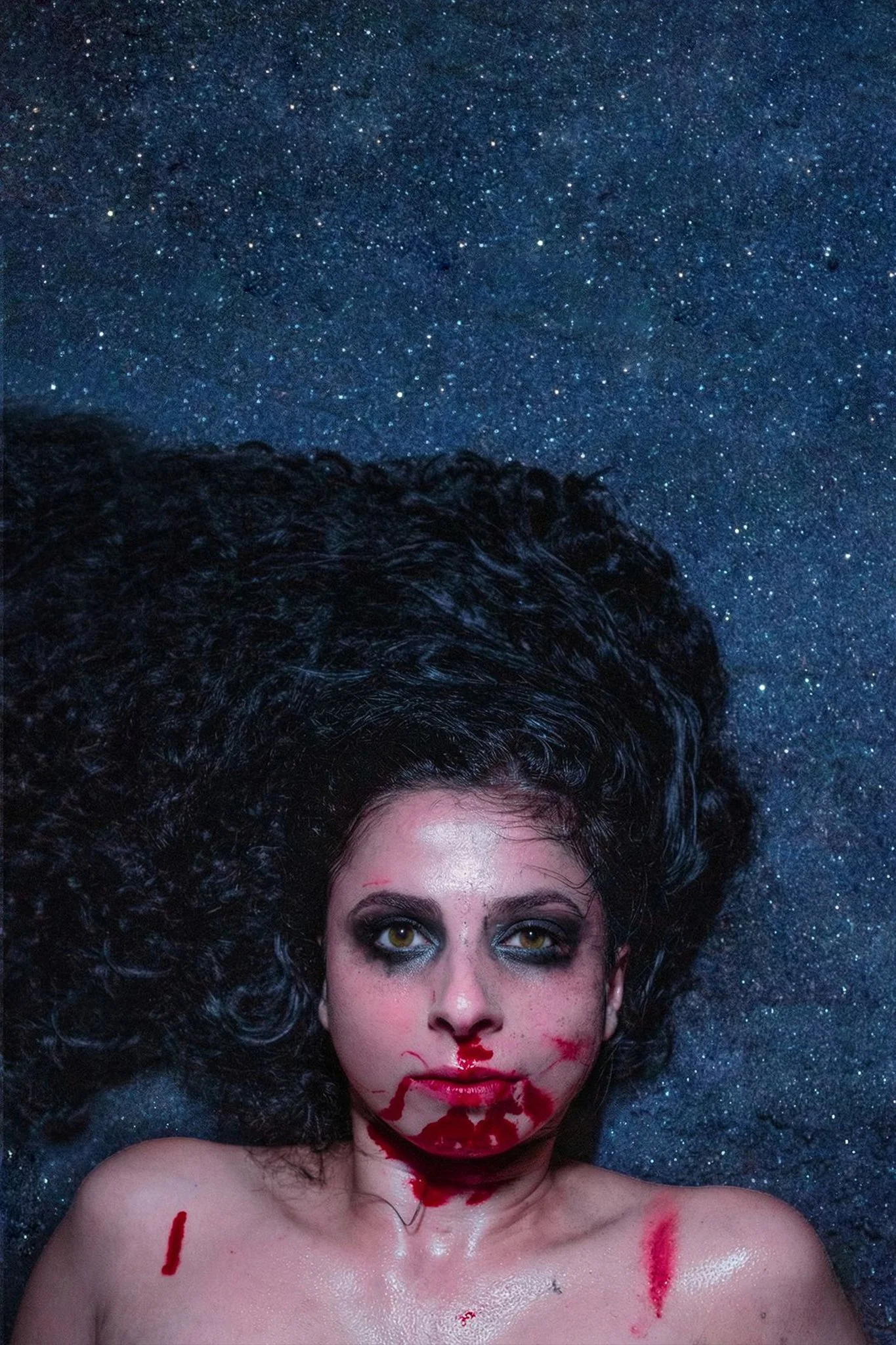
Don’t Tell Show: 1 of 2 | Photographic diptych and audio, 2026
Don’t Tell, Show, explores literary authority, inherited rules around writing and the violence of being forced to consume forms of expression that do not belong to you.
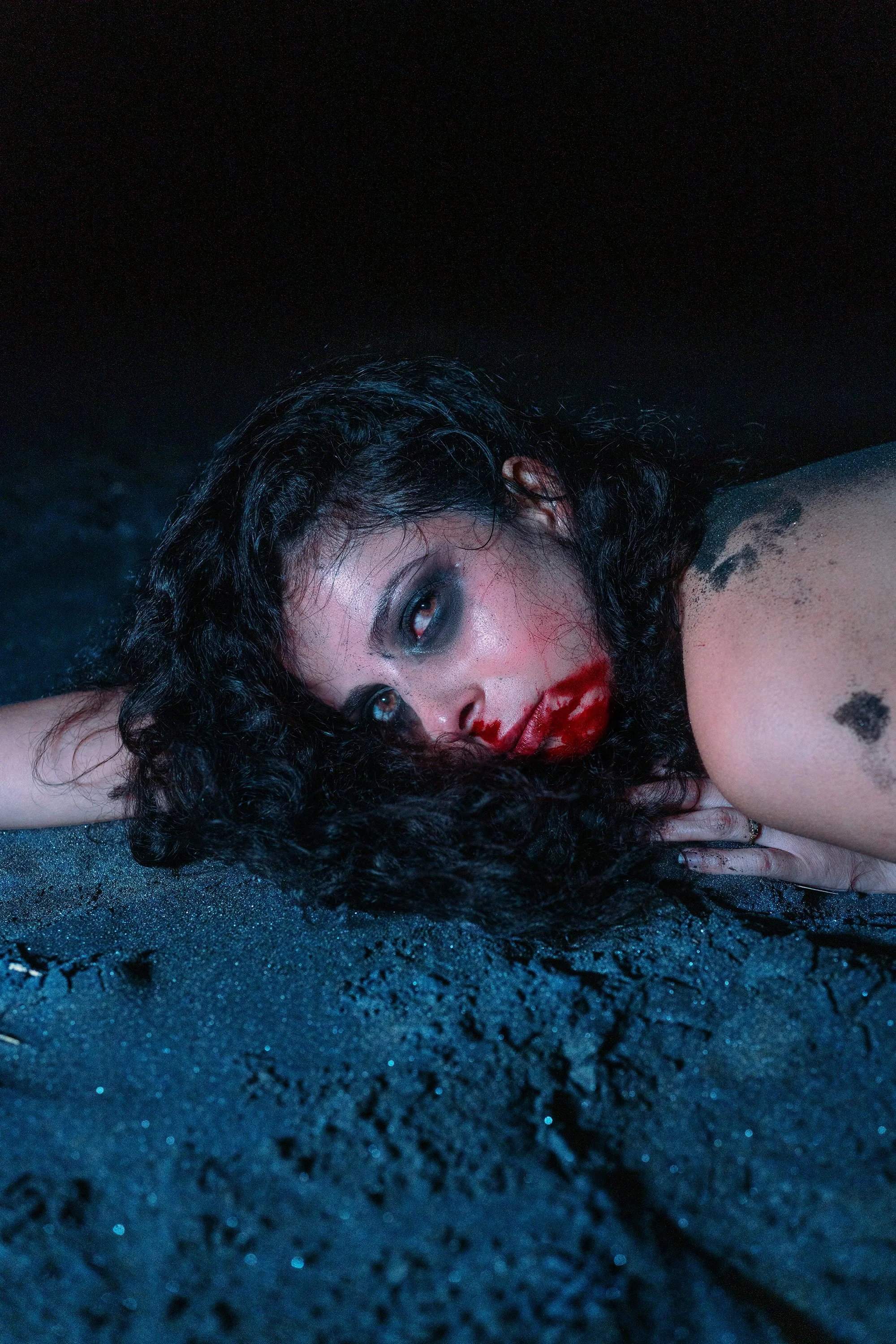
Don’t Tell Show: 2 of 2 | Photographic diptych and audio, 2026
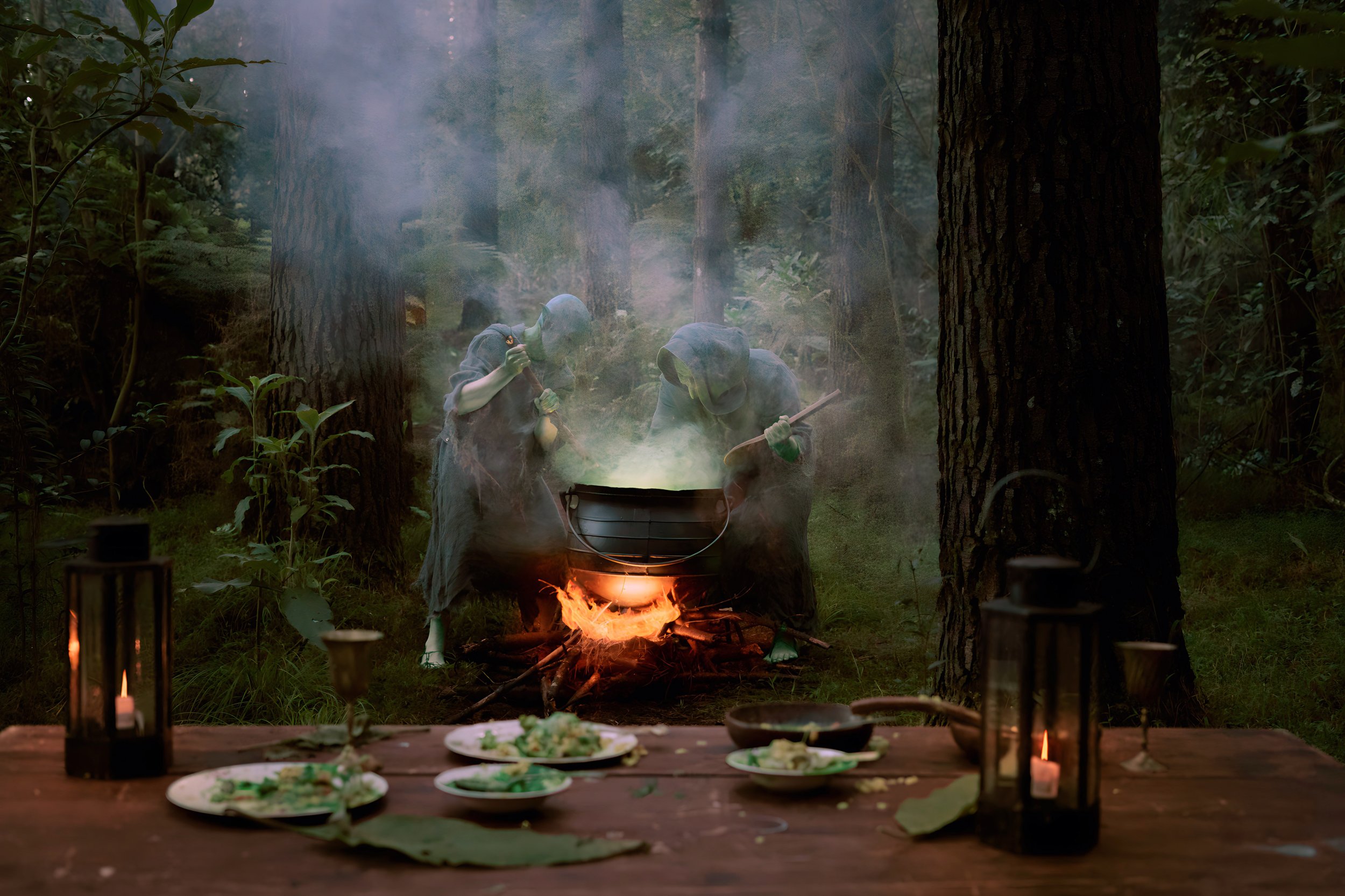
Reduction: 1 of 2 | photographic diptych and audio, 2026
Reduction was written in response to a rise in xenophobia in New Zealand and protests telling South Asian people to “go back to where they came from.” At its centre is a contradiction: the desire to consume a culture while rejecting its people. The work questions what it means to demand the removal of a people while continuing to embrace their spices, clothes, music, colour, food and beauty.
The work uses consommé as part of its visual and linguistic logic: something materially various is clarified, reduced and made easier to consume. As the poem develops, them, you, we and me begin to collapse into one another, complicating the divisions the work begins with.
In the photographs, the consumer becomes a goblin-like figure: greedy, grotesque and almost absurd. The ugliness of the appetite is made physical, turning the taking and devouring of another culture into something that can no longer be disguised.
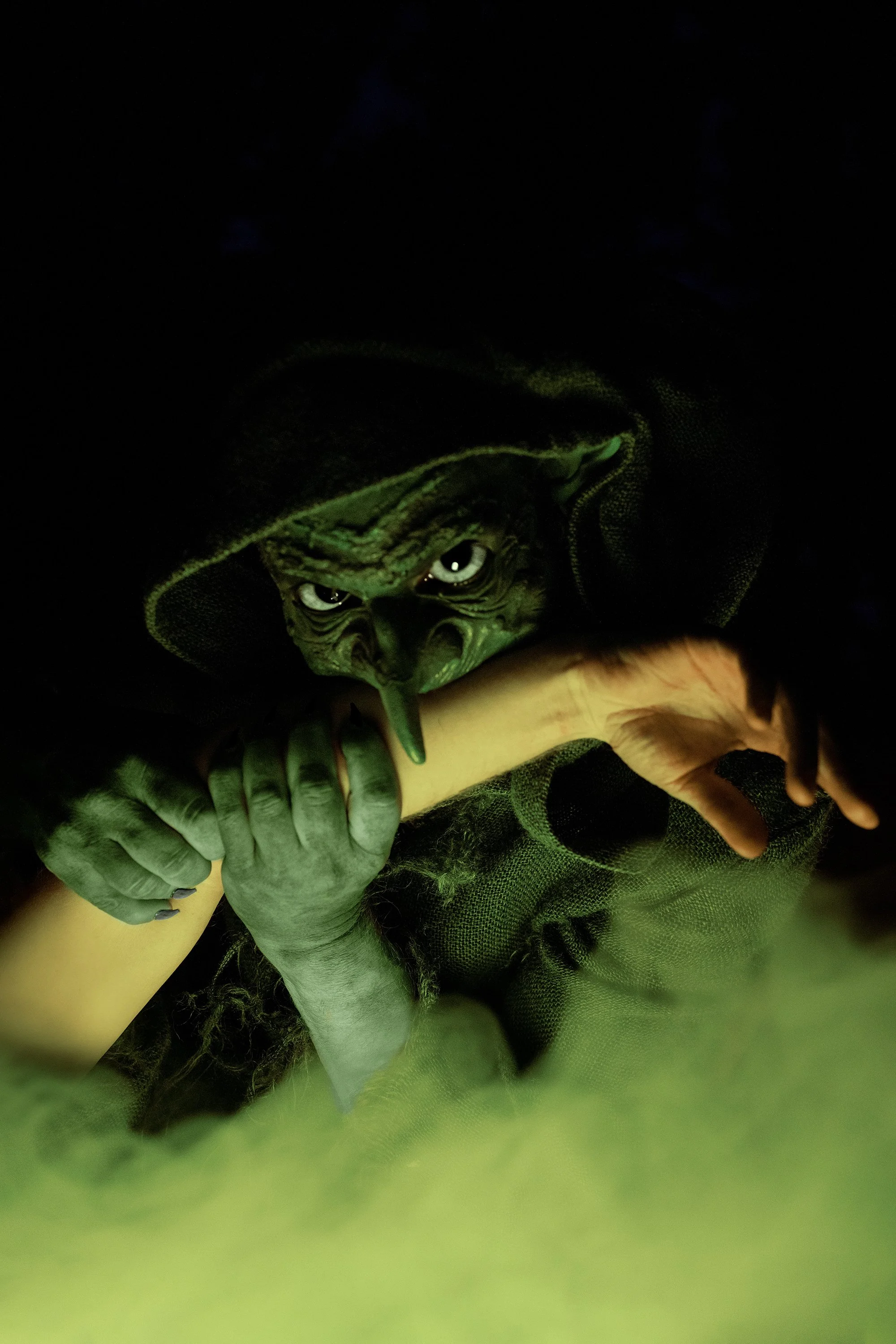
Reduction: 2 of 2 | photographic diptych and audio, 2026
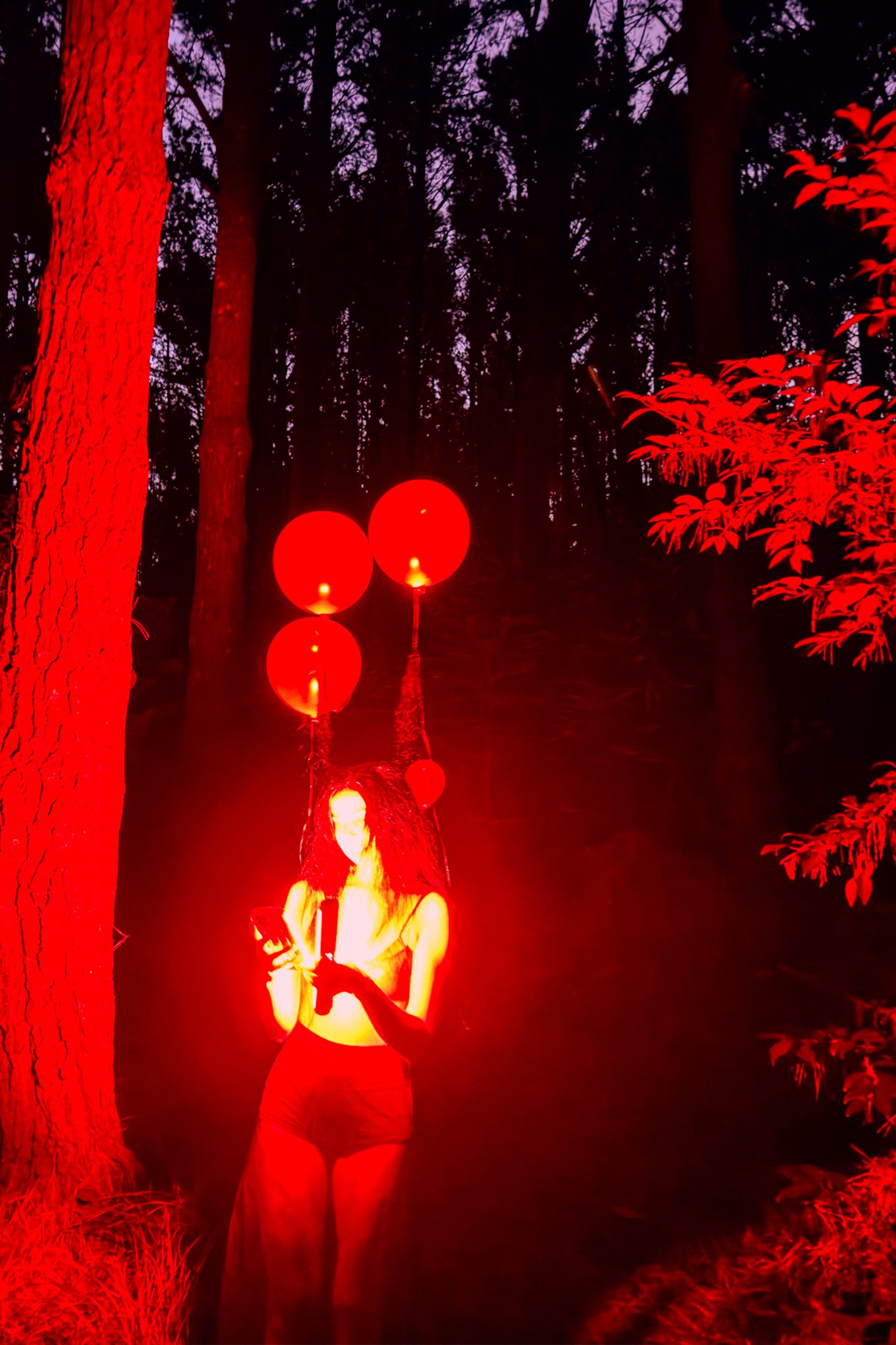
Will You Be My Muse? | photographic print, selected wall text and audio, 2026
Will You Be My Muse? begins with a refusal of expected beauty. Looking at the history of the artist and muse through the imperial male gaze, the poem questions who has been allowed to be beautiful, desirable and worthy of artistic attention, and what kinds of desire have been disguised as art. The work turns the idea of the muse away from passive beauty and towards the uncomfortable things that push us to keep looking and making.
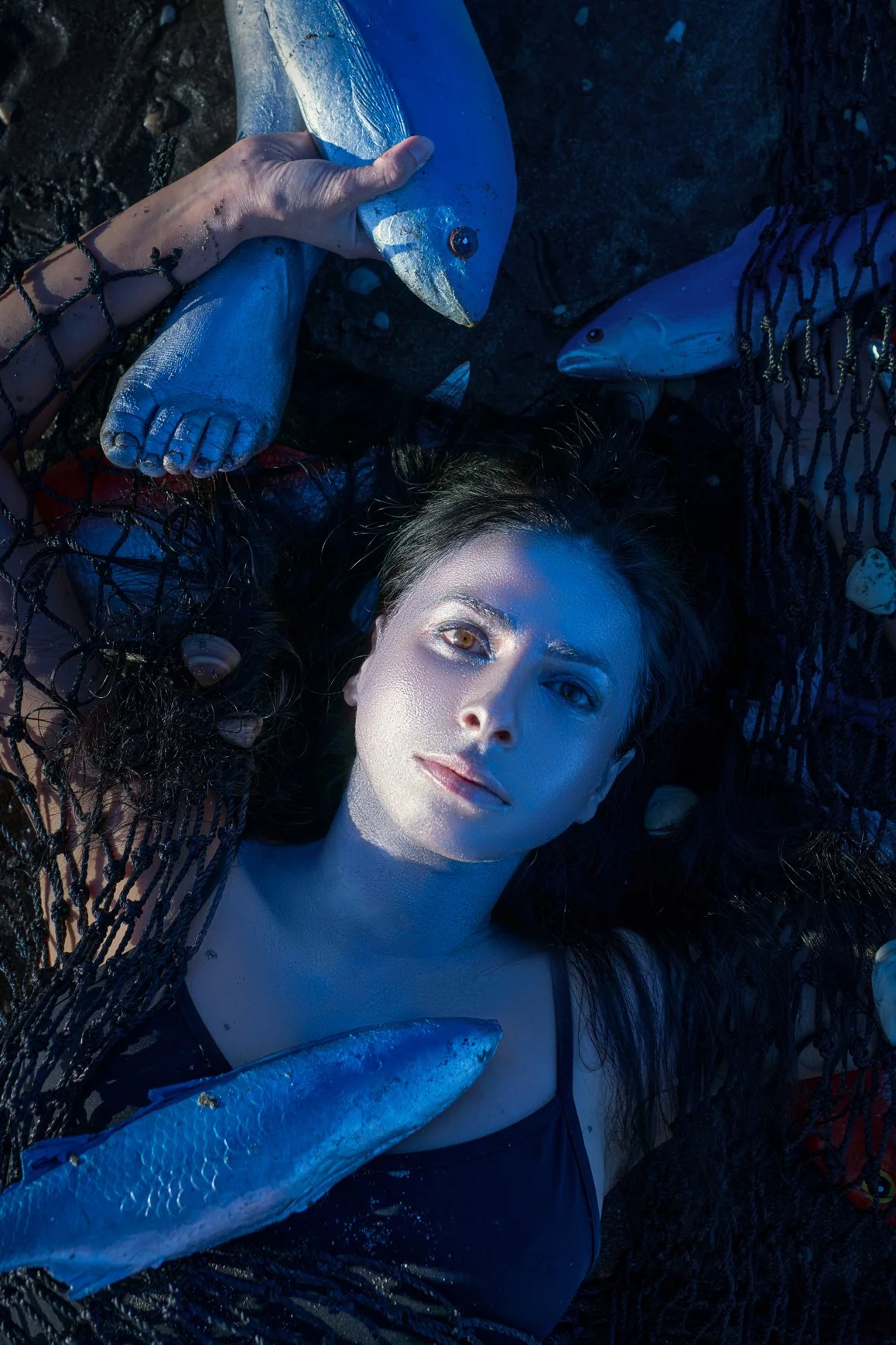
Catch & Release | photographic print and wall poem, 2026
Catch & Release is about desire turning on itself. The catcher becomes the caught, the pursued becomes pursuer and wanting starts to look a lot like entrapment. Human, fish, predator and prey blur together until it is no longer clear who is holding whom.
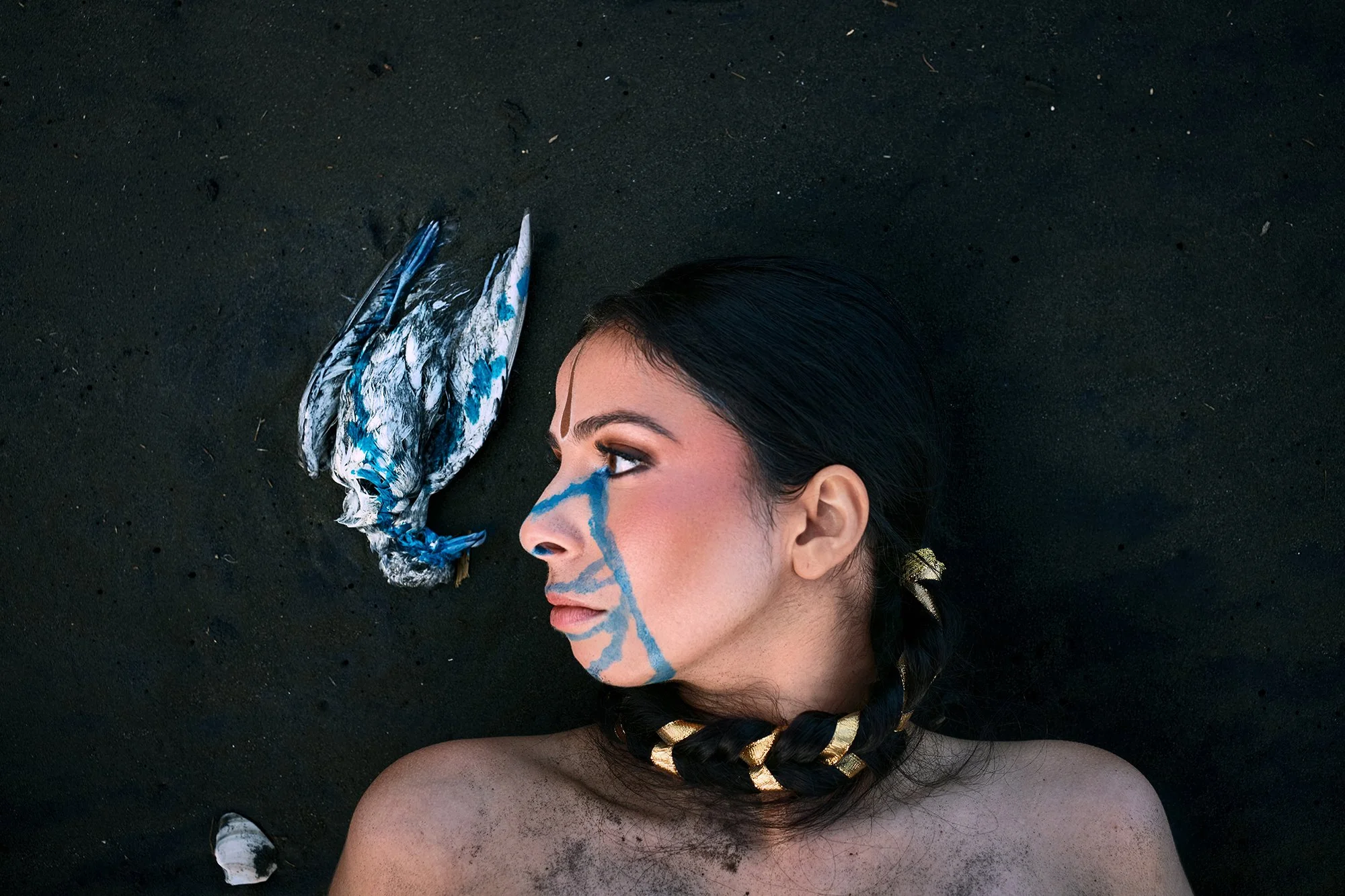
Elders Ceremony | photographic print and audio, 2026
An exploration of how wounds travel through families: violence, shame, grief and behaviours passed from one generation to another because nobody before us had the language, safety or capacity to stop them.